
Quick Summary:
North Carolina court records allege that two drivers were participating in a high-speed competition on I-85 on July 25, 2026, that resulted in the death of a 17-year-old motorcyclist. Julia Samantha Henderson and Estrella Gutierrez-Perez have both been charged with second-degree murder and felony speed competition resulting in death. Court records allege that Henderson was traveling more than 132 miles per hour, while Gutierrez-Perez was traveling approximately 120 miles per hour.
The criminal charges are allegations and are not proof of guilt. Both defendants are presumed innocent unless and until proven guilty.
Separate from the criminal prosecutions, a fatal street-racing collision can raise significant civil issues under North Carolina law. Those may include a wrongful-death claim, claims against more than one potentially responsible driver, punitive damages, multiple insurance policies, and the need to quickly preserve video, vehicle data, and other electronic evidence.
According to a North Carolina warrant for arrest issued on August 13, 2026, Julia Samantha Henderson was charged in Mecklenburg County with:
The warrant concerns a collision that allegedly occurred on July 25, 2026.
The charging document alleges that Henderson was speeding more than 132 miles per hour and that the conduct resulted in death.
The second count alleges that Henderson was operating a dark blue Audi S5 Premium Plus on I-85 in a speed competition with a 2016 Mercedes-Benz CLA 250 driven by Estrella Nicole Gutierrez Perez. The State alleges that the speed competition resulted in the death of a 17-year-old motorcyclist.
Since this article was originally published, Gutierrez-Perez has also been charged with second-degree murder and felony speed competition resulting in death. Court records allege that Gutierrez-Perez was speeding approximately 120 miles per hour during the speed competition. Both drivers now face criminal charges arising from the fatal collision.
The incident and subsequent criminal charges were also reported by Queen City News.
This article does not attempt to determine whether either driver is guilty of a criminal offense. The purpose of discussing the pending case is to explain the separate civil-law issues that can arise when alleged street racing results in a serious or fatal collision.
North Carolina prohibits speed competition on public streets and highways under N.C.G.S. § 20-141.3.
The statute distinguishes between different forms of unlawful racing, including prearranged speed competition and other willful speed competition.
North Carolina recently increased the criminal consequences when a speed competition causes serious injury or death.
For offenses committed on or after December 1, 2025, a qualifying speed competition that causes serious bodily injury or death is a Class G felony. A conviction under that provision also carries substantial driver's-license consequences.
The July 2026 I-85 collision therefore falls within the time period governed by the strengthened statute.
Most fatal automobile accidents do not result in murder charges.
Second-degree murder is a serious criminal charge, and whether the evidence in this particular case satisfies the applicable criminal standard will be determined through the criminal justice process.
From a civil personal injury perspective, however, allegations that a driver intentionally participated in a highway speed competition at speeds exceeding 132 mph raise an additional question beyond ordinary negligence:
Was the conduct sufficiently reckless or dangerous to support punitive damages?
That is a separate issue from whether the State can prove second-degree murder beyond a reasonable doubt.
A criminal prosecution and a civil wrongful-death claim serve different purposes.
The State of North Carolina prosecutes the criminal case. A civil wrongful-death action is generally brought by the personal representative of the deceased person's estate under N.C.G.S. § 28A-18-2.
North Carolina's wrongful-death statute specifically recognizes that a civil claim may proceed even when the conduct causing the death also amounts to a felony.
Depending upon the evidence, recoverable wrongful-death damages may include:
A criminal conviction can become important to a related civil claim, but a family does not necessarily have to wait for the entire criminal prosecution to end before investigating and preserving evidence for a wrongful-death case.
For a more detailed discussion of these claims, visit Galbavy Law's North Carolina Wrongful Death Lawyer page.
Potentially.
Punitive damages are different from compensatory damages. Compensatory damages are intended to compensate an injured person or family for losses caused by the defendant. Punitive damages are intended to punish particularly egregious wrongful conduct and deter similar conduct.
Under N.C.G.S. § 1D-15, punitive damages may be awarded when a defendant is liable for compensatory damages and the claimant establishes one of the statutory aggravating factors:
The aggravating factor must generally be established by clear and convincing evidence.
North Carolina defines willful or wanton conduct in N.C.G.S. § 1D-5(7) as conscious and intentional disregard of or indifference to the rights and safety of others when the defendant knows or should know that the conduct is reasonably likely to cause harm. The statute makes clear that the standard requires more than ordinary gross negligence.
North Carolina's wrongful-death statute separately authorizes punitive damages for wrongfully causing death through malice or willful or wanton conduct.
Whether punitive damages would actually be recoverable in the I-85 case depends upon the evidence developed in a civil action. However, evidence that a driver knowingly participated in a street race at extreme highway speeds could be highly relevant to that analysis.
North Carolina generally limits punitive damages to three times compensatory damages or $250,000, whichever is greater, under N.C.G.S. § 1D-25.
There are specific statutory exceptions to that cap. For example, North Carolina removes the punitive-damages cap for certain injuries resulting from driving while impaired.
However, street racing by itself is not the same statutory exception as impaired driving. Any punitive-damages analysis should therefore distinguish between the basis for punitive liability and any separate question about the statutory cap.
A significant issue in a street-racing case is that the civil investigation should not necessarily end with the vehicle that physically struck the victim.
The Henderson warrant alleges that two vehicles were participating in a speed competition.
In a resulting civil case, counsel should investigate the conduct of every alleged participant and determine whether the evidence supports liability against more than one driver.
Questions may include:
The answers require evidence. The mere fact that a person is identified in an arrest warrant does not establish civil liability.
A catastrophic or fatal collision can easily involve damages exceeding the liability limits of one automobile policy.
If evidence supports claims against multiple responsible drivers, an attorney should investigate all potentially applicable insurance policies rather than assuming that only one policy is available.
Potential coverage may include:
Which policies actually apply depends entirely upon the ownership, household relationships, policy language, vehicle use, and other facts.
For more information about liability, uninsured motorist, and underinsured motorist coverage, see Galbavy Law's North Carolina Auto Insurance Guide.
When vehicles are allegedly traveling at extreme speeds, witness estimates alone may not be enough to reconstruct precisely what happened.
A serious civil investigation may involve several different sources of objective evidence.
Depending upon the vehicle and circumstances, electronic vehicle data may contain information concerning speed, braking, throttle input, seat-belt use, and other information immediately before a crash.
This evidence should be identified and preserved before the vehicle is destroyed, repaired, sold, or otherwise becomes unavailable for inspection.
Video may come from:
Video can be particularly persuasive because it may show how the vehicles were interacting before impact rather than merely documenting the scene afterward.
Automatic license plate reader systems may help establish that a particular vehicle passed a particular location at a particular time. They may also help investigators identify the route a vehicle traveled before or after a collision.
ALPR information is not necessarily continuous crash video, but it may help investigators locate additional evidence.
Where legally obtainable and factually relevant, cellphone records, communications, social-media posts, or videos may become important in determining whether drivers had communicated before a race or documented their conduct.
The existence and availability of any such evidence should never be assumed. It must be investigated and obtained through appropriate legal procedures.
A civil lawsuit may not be filed immediately, but potentially important evidence can disappear quickly.
For example:
In a serious or fatal collision, preservation efforts should begin as early as reasonably possible rather than waiting for the criminal case to conclude.
North Carolina remains a contributory-negligence state. In an ordinary negligence case, evidence that an injured person was also negligent can become a significant defense.
Nothing in the court records reviewed for this article establishes that the teenage motorcyclist was negligent.
Nevertheless, a complete civil investigation generally examines the movements of every vehicle involved, including speed, lane position, visibility, evasive actions, and the sequence of impact.
That is another reason objective evidence such as reconstruction data and video can be so important.
It is important not to confuse the two systems.
A criminal charge means that a criminal prosecution has been initiated. It does not establish guilt.
Likewise, a criminal case does not automatically determine every issue in a civil wrongful-death action.
A related civil investigation may examine:
The criminal prosecution and civil claim may develop at different speeds and may involve different evidence and legal standards.
When a serious or fatal collision results in criminal charges, I believe it is important for a personal injury or wrongful-death attorney to closely follow the criminal case.
The police investigation, witness statements, accident reconstruction, vehicle data, video evidence, and testimony developed during the criminal proceedings may ultimately become important to a related civil claim.
But I would not rely solely on the criminal prosecution.
A civil attorney should independently investigate every potentially responsible driver, identify every potentially applicable insurance policy, and preserve evidence as early as possible.
The civil case also should not be evaluated solely based upon the criminal charge. An arrest is not a conviction, and the criminal allegations must still proceed through the court system.
In a case involving allegations of street racing at extreme highway speeds, however, the investigation may extend well beyond an ordinary negligence claim. Evidence concerning speed, the interaction between the vehicles, the drivers' knowledge, and intentional participation in a race may become important in determining whether punitive damages should also be pursued.
The pending I-85 case involves unusually serious allegations. North Carolina court records allege that Julia Samantha Henderson exceeded 132 miles per hour while participating in a speed competition with another vehicle and that the competition resulted in the death of a 17-year-old motorcyclist. Henderson has been charged with second-degree murder and felony speed competition causing death. Estrella Gutierrez-Perez received the same charges and court records allege she exceeded 120 miles per hour.
Those charges remain allegations, and this article does not express an opinion concerning the guilt or innocence of Henderson, Gutierrez Perez, or any other person involved.
From the civil law perspective, a fatal street-racing collision can raise substantial questions involving wrongful death, punitive damages, multiple potentially responsible drivers, multiple insurance policies, contributory negligence, and preservation of electronic and video evidence.
Families confronting a fatal accident should not assume that the criminal prosecution will automatically identify or preserve every source of recovery available through the civil justice system.
For additional information, visit Galbavy Law's North Carolina Wrongful Death Lawyer page or our North Carolina Car Accident Lawyer page.
This article is provided for general informational purposes and is not legal advice. Criminal charges discussed in this article are allegations, and every criminal defendant is presumed innocent unless and until proven guilty. Civil liability, insurance coverage, punitive damages, and wrongful-death claims depend upon the evidence and circumstances of each individual case.
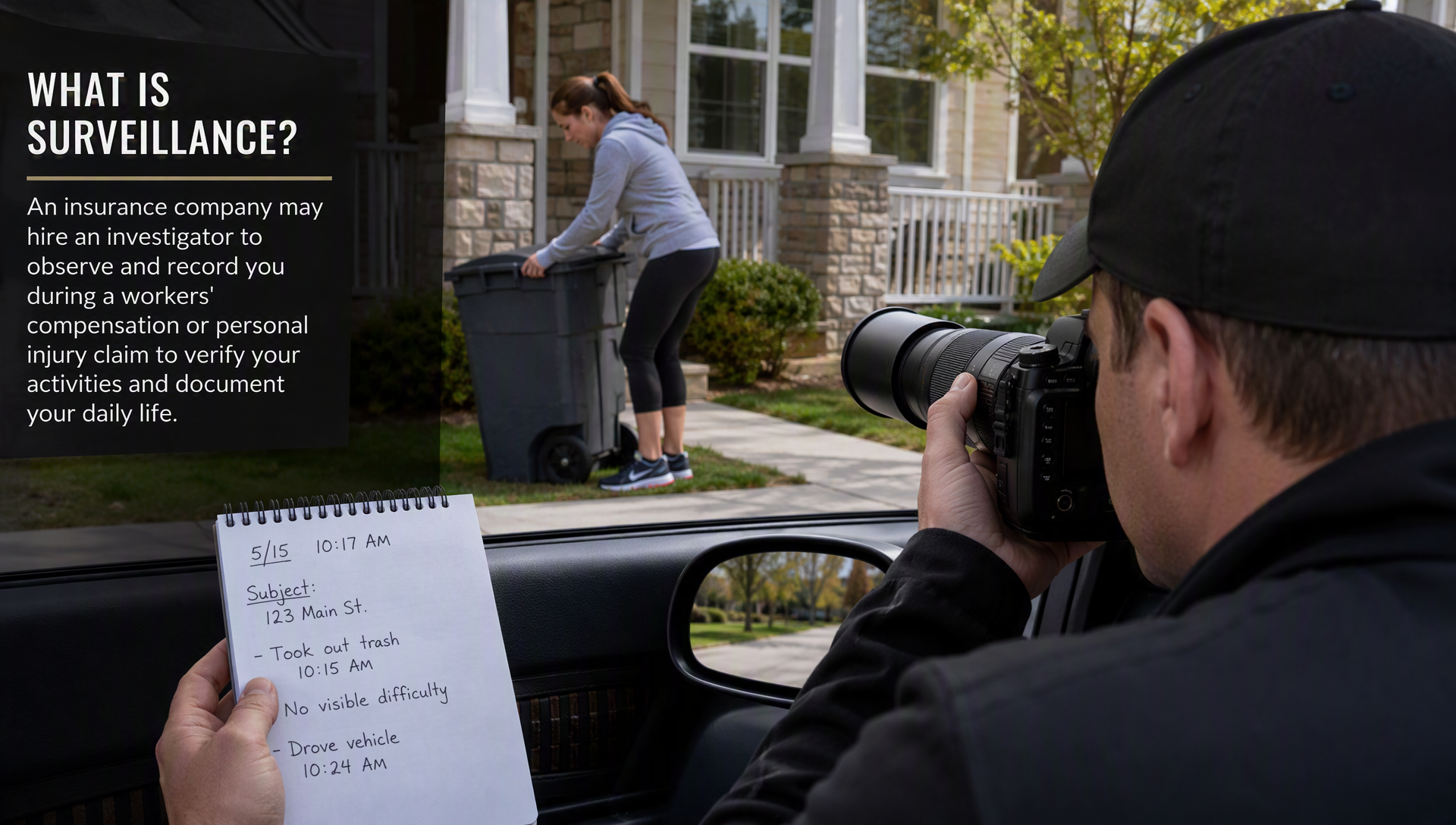
Quick Answer Yes, in the sense that an insurance company may hire an investigator to...
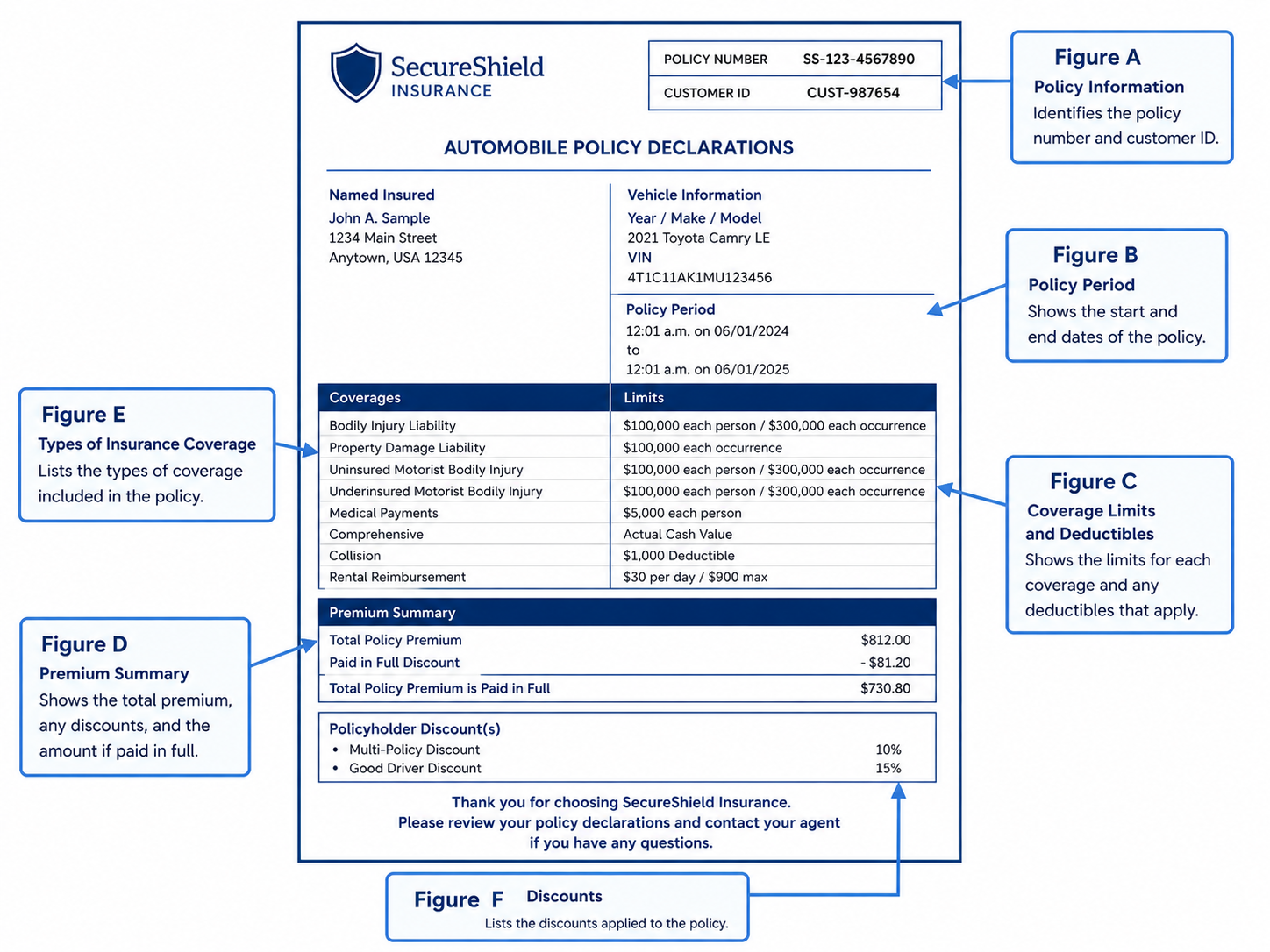
Quick Answer: An automobile insurance declarations page is a summary of the policy that was...
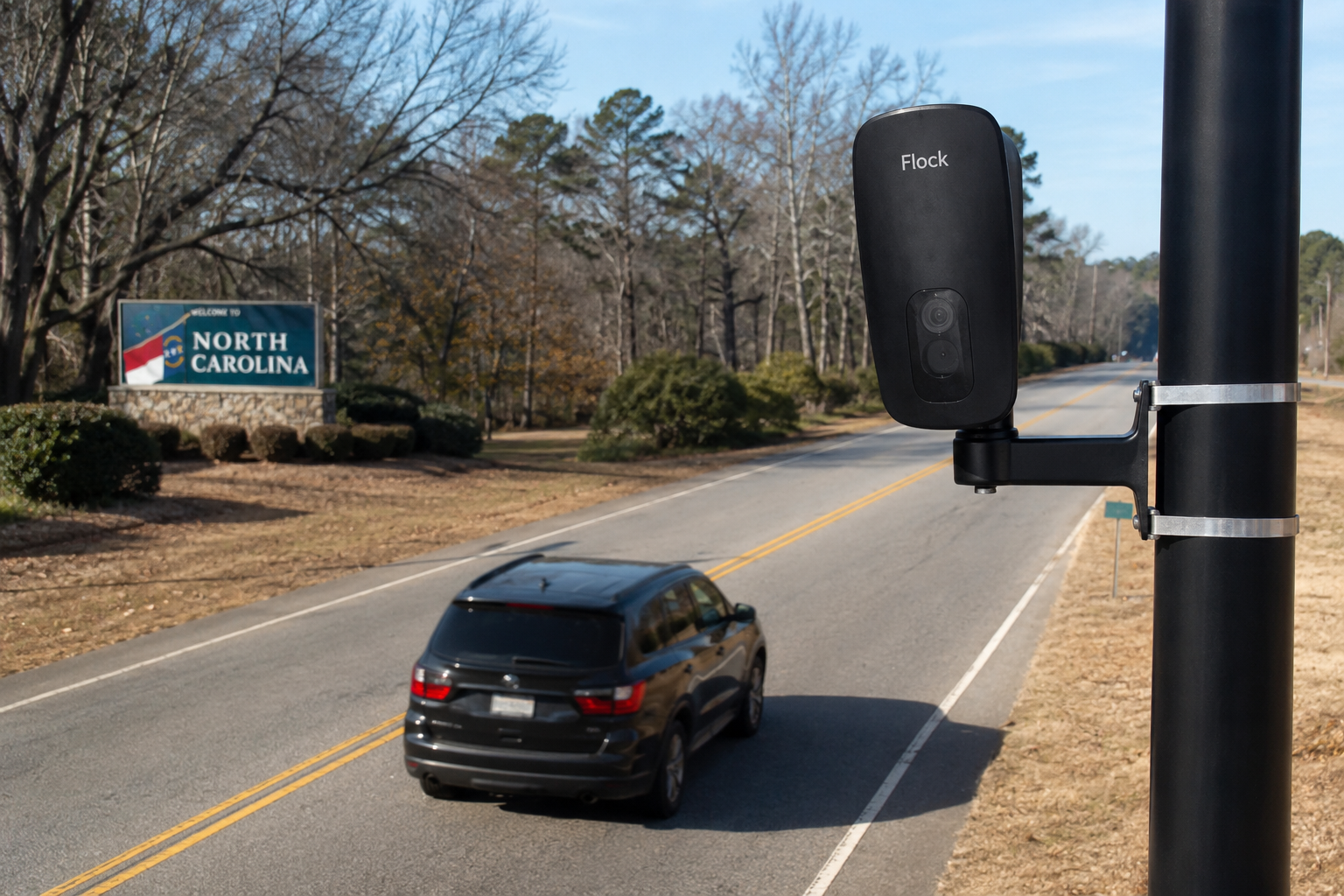
Quick Answer: Flock cameras and other automatic license plate readers are legal in North Carolina,...

1 Prior results do not guarantee similar outcomes in future cases because each case is unique and must be evaluated separately. The only way we can assist you is for you to call us about your case.
Protected by reCAPTCHA. Google Privacy Policy and Terms of Service apply.