Slip and fall accidents happen fast, often in places people visit every day without a second thought. In Gastonia, these injuries commonly occur at grocery stores, restaurants, apartment complexes, parking lots, and sidewalks. A wet floor, broken surface, or poorly lit walkway can turn a routine errand into a serious injury.
Many people blame themselves after a fall, but these accidents are often tied to property conditions that should have been addressed. When owners fail to inspect, repair, or warn about hazards, visitors are left exposed to unnecessary risk. The result can be broken bones, head injuries, or back problems that interfere with work and daily life.
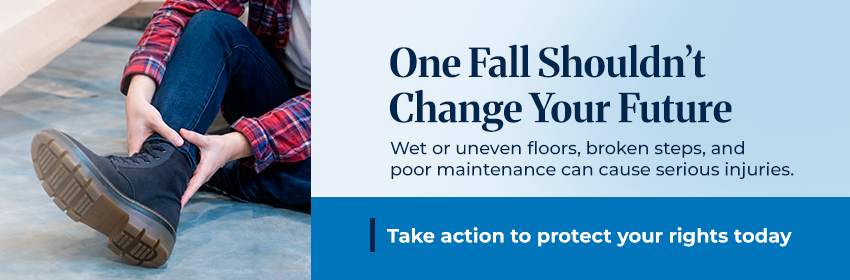
Understanding how slip and fall cases work under North Carolina law helps injured people make informed decisions early. Knowing what caused the fall, who controlled the property, and what steps to take next can make recovery more manageable.
Slip and fall accidents in Gastonia usually happen because a property owner allowed a dangerous condition to remain in a walking area. These hazards are often easy to miss until it is too late, especially in busy or unfamiliar locations.
Wet floors are a leading cause. Spills, leaks, or freshly mopped surfaces without warning signs create obvious risks in stores, restaurants, and apartment common areas. Uneven pavement, loose flooring, or cracked sidewalks also cause many falls, particularly in parking lots and entryways.
Poor lighting plays a significant role as well. Stairwells, hallways, and outdoor walkways that are not properly lit make it difficult to see hazards in time to avoid them. Weather-related conditions add another layer of risk when rainwater is tracked indoors or when outdoor surfaces become slick.
Common causes include:
Property owners are expected to take reasonable steps to keep walking areas safe. General safety guidance on preventing falls in public spaces is published by the National Institute for Occupational Safety and Health (NIOSH), which outlines how slip hazards develop and how they are reduced.
Identifying the specific hazard and how long it existed often becomes central to determining responsibility.
Slip and fall injuries in Gastonia happen most often in places open to the public or shared by multiple residents. The location of the fall matters because it helps determine who had a duty to inspect and maintain the area.
Retail stores and grocery stores are frequent sites of falls due to spills, tracked-in water, or cluttered aisles. Apartment complexes also see many slip and fall injuries in common areas such as stairwells, breezeways, sidewalks, and parking lots. These spaces are used daily and require regular inspection.
Restaurants and restrooms present additional risks due to slick floors, grease, and water. Outdoor areas, including sidewalks, entry ramps, and parking lots, are another common source of injuries, especially when surfaces are cracked, uneven, or poorly lit.
Falls commonly occur in:
Public and commercial properties are subject to safety and maintenance expectations intended to protect visitors. Information on premises safety responsibilities and public accommodation standards is available through the North Carolina Judicial Branch, which explains how property-related injury claims are evaluated.
Where the fall occurred often provides the starting point for understanding who may be responsible and what safety measures should have been in place.
The most common injuries after a slip and fall are back and spinal injuries, neck and shoulder injuries, knee and joint damage, and soft-tissue injuries.
Slip and fall accidents can cause serious injuries, even when the fall itself seems minor at first. In Gastonia, many people do not feel the full effects until hours or days later, especially with head, back, or joint injuries. What begins as soreness can turn into a long recovery with medical treatment and time away from work.
Fractures are among the most common injuries. Falls often result in broken wrists, arms, ankles, or hips as people instinctively try to catch themselves. Hip fractures are especially serious for older adults and frequently require surgery followed by extended rehabilitation.
Head injuries are another major concern. A fall that causes the head to strike the floor, shelving, or pavement can lead to concussions or traumatic brain injuries. Symptoms such as headaches, dizziness, memory issues, or sensitivity to light may not appear right away, which is why prompt medical evaluation matters.
Other common slip and fall injuries include:
Some injuries lead to lasting limitations. Chronic pain, reduced mobility, and difficulty standing or walking can interfere with daily routines and employment. Falls are a leading cause of serious injury nationwide, particularly among older adults. Injury data and fall-related treatment trends are tracked by the Centers for Disease Control and Prevention, which highlights how frequently falls result in emergency care and hospitalization.
Taking falls seriously from the start helps ensure injuries are properly diagnosed and documented.
Responsibility for a slip and fall depends on who controlled the property and whether reasonable steps were taken to address hazards. In Gastonia, this often includes business owners, landlords, property managers, or other parties responsible for maintaining the area where the fall occurred.
Property owners are not automatically responsible for every fall. The key issue is whether a dangerous condition existed and whether the owner knew or should have known about it. Hazards such as spills, broken flooring, or poor lighting may indicate responsibility if they were left unaddressed long enough to be discovered through reasonable inspection.
Different scenarios involve different responsible parties:
Shared responsibility is also possible. For example, a property owner may rely on a management company for upkeep, or multiple businesses may share control over a parking lot or walkway. Determining who had control over the condition at the time of the fall is a critical part of these cases.
North Carolina premises liability principles focus on the duty owed to lawful visitors and whether that duty was breached. General explanations of how civil responsibility is evaluated in injury cases are available through the North Carolina Judicial Branch, which outlines the standards applied in premises-related claims.
Identifying the correct responsible party early helps avoid delays and misplaced claims.
In many slip and fall cases, timing determines whether responsibility applies. A property owner may be responsible if a hazard existed long enough that it should have been discovered and corrected through reasonable care. In Gastonia cases, this issue often becomes central to disputes with insurers.
There are two main types of notice considered in slip and fall claims. Actual notice means the owner or employees knew about the hazard, such as a reported spill or a prior complaint. Constructive notice applies when a condition existed long enough that the owner should have known about it through routine inspections.
Factors that often matter include:
For example, a spill that just occurred moments before a fall may not lead to responsibility. A puddle or debris left on the floor for an extended period without inspection or cleanup may point in the opposite direction. Surveillance footage, cleaning logs, and witness statements are often used to establish timing.
Industry guidance on inspection and maintenance practices helps explain what is considered reasonable care. Workplace and public-area safety principles related to walking surfaces and hazard response are outlined by the Occupational Safety and Health Administration, which addresses slip hazards and inspection expectations.
Because timing evidence can disappear quickly, early documentation often plays a significant role in how these cases are evaluated.

Proving a slip and fall case requires more than showing that someone fell and got hurt. In Gastonia cases, the focus is on whether a dangerous condition existed, who controlled the property, and whether that condition should have been addressed before the fall happened. Each of those questions depends on clear, practical evidence.
The process usually starts with identifying the exact hazard. That could be a wet floor, uneven pavement, loose carpeting, poor lighting, or debris left in a walking area. Pinpointing the condition helps establish what went wrong and why the fall occurred.
Key steps in building a slip and fall case often include:
Timing plays a major role. Evidence showing how long a hazard existed can strengthen a case, especially when surveillance footage, cleaning logs, or employee schedules are available. If a condition was present long enough to be discovered through routine inspection, that fact matters.
Medical records connect the fall to real injuries. Emergency room visits, imaging, follow-up care, and physical therapy records help show the seriousness of the harm and how recovery unfolded. Delays in treatment or gaps in care are often raised by insurers, which is why early documentation helps.
The goal is to present a clear timeline: a hazardous condition existed, it was not addressed in time, and it caused an injury that disrupted the person’s life. Straightforward evidence often makes the difference between a disputed claim and one that moves forward.
After a slip and fall, you can recover emergency treatment, follow-up care, prescription medication, and lost income.
Compensation after a slip and fall is meant to account for how the injury affected a person’s health, work, and daily activities. In Gastonia cases, many people are surprised by how long recovery lasts and how much a fall can interfere with everyday routines.
Medical care usually forms the starting point. Slip and fall injuries often require emergency treatment, imaging, follow-up visits, and physical therapy. More serious injuries, such as fractures, head injuries, or spinal damage, may require surgery or long-term care.
Compensation may address:
Some falls lead to ongoing problems. Chronic pain, stiffness, balance issues, or headaches can persist long after the initial injury. These limitations affect daily tasks such as driving, standing, lifting, or caring for family members.
In addition to physical effects, many people experience stress, frustration, or loss of independence during recovery. Difficulty returning to work or participating in normal activities can take an emotional toll, especially when recovery stretches longer than expected.
A complete compensation review looks at both current and future impact. The aim is to account for what the injury has already caused and what it is likely to continue affecting, rather than limiting recovery to immediate bills alone.
Slip and fall cases differ from other injury claims because they focus on property conditions rather than sudden actions. In Gastonia, this distinction affects how responsibility is evaluated and what evidence matters most.
Car accident cases typically focus on driver behavior and adherence to traffic laws. In contrast, slip and fall cases examine the maintenance and inspection of the premises, as well as whether any hazards were allowed to persist. Often, there are no eyewitnesses to the fall itself, making physical evidence and property records particularly crucial in these cases.
Key differences include:
Insurance handling also differs. Property insurers often argue that hazards appeared too recently to be addressed or that the injured person should have noticed the condition. These defenses make documentation critical.
Slip and fall claims are governed by premises liability principles rather than traffic or workplace rules. General information on how courts evaluate civil injury claims, including premises cases, is available through the North Carolina Judicial Branch, which outlines standards applied in these disputes.
Understanding how slip and fall cases differ from other injury claims helps injured people set realistic expectations and focus on the evidence that matters most.
After a slip and fall, you should seek medical attention, report the fall, photograph the hazard, gather information from witnesses, and keep copies of everything possible.
The steps taken in the first hours and days can shape both recovery and future options. Many people try to “shake it off,” only to discover later that the injury is more serious than it first appeared. Acting early helps protect health and preserves essential details about what happened.
Medical care should come first. Falls often cause injuries that worsen over time, especially head injuries, back injuries, and joint damage. Prompt treatment not only reduces complications but also creates clear records tying the injury to the fall.
Once immediate care is addressed, documentation becomes critical. Slip and fall cases often depend on evidence that can disappear quickly if it is not preserved.
Helpful steps after a fall include:
It is also essential to be cautious with early insurance contact. Property insurers may ask for recorded statements or suggest quick resolutions before the full extent of the injury is known. Giving detailed statements too early or accepting an early offer can limit options if complications develop later.
Writing down what happened while the details are fresh can also help. Notes about the time of day, lighting, weather conditions, and how the hazard looked can become valuable later if questions arise.
Speaking with a lawyer does not require committing to a claim. For many Gastonia residents, a consultation with an experienced local team of slip and fall accident lawyers provides clarity about whether responsibility may exist, what evidence matters, and what steps make sense given the situation. That information can reduce stress and help injured people focus on healing rather than uncertainty.
A slip and fall can disrupt more than just a day. Injuries can affect work, independence, and daily routines in ways that are not immediately obvious. When a fall happens because a property was not kept safe, injured people deserve clear information about their options.
Galbavy Law represents Gastonia residents injured in slip and fall accidents and other severe injury cases. Our approach is practical and straightforward. We focus on the facts: where the fall happened, what condition caused it, who controlled the property, and how the injury affected your life. From there, we explain your options in plain language so you can make informed decisions.
There's no obligation to act until you're ready. A consultation allows you to ask questions and learn about your slip and fall case. If you were injured in Gastonia, contact Galbavy Law today by calling 704-412-4466 to schedule a consultation or completing our online contact form for clear guidance on your next steps.

1 Prior results do not guarantee similar outcomes in future cases because each case is unique and must be evaluated separately. The only way we can assist you is for you to call us about your case.
Protected by reCAPTCHA. Google Privacy Policy and Terms of Service apply.