If you suffered a burn injury in Asheville because someone failed to act safely, you may have the right to seek compensation for medical care, lost income, and the long-term impact of the injury. Burn injury claims focus on who caused the burn, whether it could have been prevented, and how the injury has changed your life.
Burn injuries happen in many everyday settings around Asheville. Apartment fires, unsafe rental properties, restaurant kitchens, construction sites, and faulty appliances all lead to serious burns every year.
Along busy roads like I-240 or near downtown job sites and older buildings, unsafe conditions can turn into life-changing injuries in seconds. The pain is immediate, but the effects often last far longer.
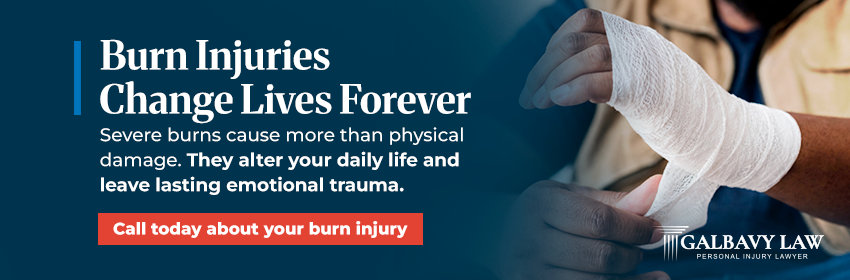
Burn cases feel overwhelming because recovery is rarely quick or simple. Treatment can involve surgeries, skin grafts, scarring, and emotional stress, all while bills and time away from work pile up.
North Carolina law allows injured people to hold responsible parties accountable, but these cases require careful handling. At Galbavy Law, we leverage our local experience in handling burn injury cases to help protect your rights and your future.
Burn injuries in Asheville often happen because basic safety steps were missed. Fires, hot liquids, chemicals, electrical hazards, and defective products are common causes. Many of these injuries occur in homes, workplaces, and public spaces where unsafe conditions should have been addressed before someone got hurt.
Burns at home are more common than people think, especially in older buildings and rental units around Asheville. Faulty wiring, broken smoke detectors, or poorly maintained heating systems can turn a small problem into a serious fire.
These cases often involve:
Landlords are responsible for keeping properties safe. When they don’t, tenants pay the price.
Burn injuries also happen on job sites, especially in construction, manufacturing, and maintenance work common around Asheville and nearby towns. These burns are often severe and require a long recovery time.
Common causes include:
Workplace burns may involve more than one responsible party, not just an employer. Contractors, property owners, or equipment manufacturers may also share responsibility depending on how the injury occurred and who controlled the safety conditions.
Restaurants, breweries, and hotels create fast-paced environments with hot surfaces and liquids. When training is rushed or equipment isn’t maintained, burns happen quickly.
In these settings, burns often come from:
Some burns are caused by products that fail or overheat when used normally. Appliances, batteries, and power tools can all pose risks if they’re defective.
These cases may involve:
When a product causes a burn, responsibility may extend beyond the immediate location to the manufacturer or supplier.
Burn injuries affect far more than the skin. Serious burns often lead to long recovery periods, permanent scarring, and changes that reach into every part of daily life. Work, routines, and relationships can all be affected long after the initial injury heals.
Many burn injuries require more than one hospital visit. Treatment can stretch on for months and may involve surgeries and specialized care.
Common treatment issues include:
These treatments can be painful, time-consuming, and hard to manage while trying to return to normal life.
Burns often heal with scarring, which can affect movement and comfort. Nerve damage may also cause lasting pain or numbness.
Long-term effects may include:
These physical changes can make everyday tasks harder than before and often require adjustments at work, at home, and in daily routines.
The emotional toll of a burn injury is easy to overlook. Many people struggle with changes to their appearance, sleep problems, or anxiety after the injury.
Common challenges include:
Recovery depends on burn depth, location, age, and overall health. Even burns that seem similar can lead to very different recovery experiences, which makes planning and long-term support important.
You may have a burn injury claim in Asheville if your injury was caused by unsafe conditions, faulty equipment, or someone else’s failure to act safely. Burn cases often involve property owners, employers, or product makers, and looking at the situation early helps protect evidence and legal options before they fade.
Burn injuries don’t just happen out of nowhere. Many are tied to conditions that should have been fixed, warnings that weren’t given, or safety rules that weren’t followed.
Burn claims often come from everyday places where people expect to be safe. Older buildings, busy workplaces, and high-heat environments increase the risk when safety is ignored.
Common scenarios include:
In many cases, the injury could have been prevented with basic care and maintenance, such as routine inspections, timely repairs, and following basic safety standards.
A burn becomes a legal claim when it causes real harm, and someone else has a duty to prevent it. That harm may include medical treatment, missed work, scarring, or lasting pain. It’s not about blaming someone for an accident. It’s about whether reasonable safety steps were skipped.
Burn cases often depend on physical evidence and early documentation. Fire scenes change fast, equipment gets repaired, and witnesses move on.
Looking at the fault early helps:
Negligence usually means someone failed to fix a hazard, follow safety rules, or warn about a known risk. A review of where the burn happened, what caused it, and who was responsible for safety often brings the answer into focus.
Burn injury cases are different from many other injury claims because the damage is often more severe and long-lasting. These cases usually involve higher medical costs, longer recovery time, and proof that goes beyond what’s needed in a typical injury case.
Burns can cause deep tissue damage that doesn’t fully heal. Even when the skin closes, the injury may leave lasting limits that affect movement, comfort, and strength.
These cases often involve:
Because burn injuries are visible and ongoing, they tend to affect daily life in lasting ways.
Burn injuries are often visible, which can change how a person feels about themselves. Scars on the face, arms, or hands can affect confidence and social life.
Common challenges include:
Burn recovery doesn’t always end after the first round of treatment. Many people need ongoing care years after their initial treatment.
Future needs may include:
Because burn injuries can affect the future in so many ways, these cases require careful planning, not quick fixes.
Burn injuries don’t always fit into just one legal category. Some burns are covered by workers’ compensation or basic insurance, while others require a separate burn injury claim to fully address what happened. The right path depends on where the injury occurred, who caused it, and how serious the harm is.
After a burn injury, many people are unsure which option applies to them. Insurance companies and employers don’t always explain the differences clearly, and choosing the wrong path can limit what you’re able to recover.
A burn injury claim is based on fault. It looks at whether someone failed to act safely and caused the burn. These claims may allow recovery for:
Burn injury claims often involve landlords, contractors, property owners, or product manufacturers.
Workers’ compensation and basic insurance claims focus on coverage, not fault. They offer limited benefits but do not fully account for the impact of a serious burn. These claims usually cover:
Some burn injuries involve more than one responsible party. For example, a worker may receive workers’ compensation but still have a separate claim against a third party, such as a contractor or equipment maker. Understanding which path, or combination of paths, applies helps protect your rights and avoid leaving compensation on the table.
Who is responsible for a burn injury depends on where it happened and what caused it. In Asheville cases, liability may fall on property owners, employers, contractors, product manufacturers, or management companies. Many burn injuries trace back to safety steps that should have been taken but weren’t.
Burn cases often involve more than just the person who was present when the injury happened. Responsibility usually ties back to who controlled the space, equipment, or safety rules.
Landlords and property owners are expected to keep buildings reasonably safe. In Asheville, this is especially important in older apartments and rental properties.
Burn claims may involve:
Workplace burns are common on construction sites, industrial jobs, and maintenance work. Employers and supervisors have a duty to provide safe conditions and proper training.
These cases often involve:
Some burns are caused by products that fail during normal use. Appliances, batteries, tools, and electronics can all cause serious injuries if they’re defective.
Responsibility may fall on:
Burn injuries don’t always have a single cause. Sometimes more than one party played a role, such as a landlord and a contractor or an employer and an equipment maker. Shared responsibility is common in complex burn cases.
Yes. Many burn injuries involve multiple failures by different parties. Identifying everyone who contributed to unsafe conditions helps ensure the full impact of the injury is addressed and no responsible party is overlooked.
Proving a burn injury case means clearly showing how the burn happened, who was responsible, and how the injury changed the person’s life. These cases rely on real evidence and careful investigation, not guesses or assumptions.
We start by looking closely at where and how the burn occurred. Fires, equipment failures, and unsafe conditions often leave behind clues that explain what went wrong.
This step may include:
Understanding the cause early helps keep the focus on prevention failures.
Burn cases depend heavily on evidence that can disappear fast. Scenes get cleaned, equipment gets repaired, and hazards get fixed.
We work to preserve:
Early preservation helps protect the facts before they’re altered.
Medical records show how serious the burn was and what treatment was needed. These records also help explain the long-term impact of the injury.
We review:
Burn injuries often involve more than one responsible party. We look beyond the surface to see who controlled the property, equipment, or safety rules.
This may include:
Strong cases are prepared as if they could go to trial. This approach creates leverage and encourages fair outcomes.
Preparation includes:
Burn injury victims choose Galbavy Law because they want clear answers, direct communication, and a lawyer who stays personally involved. These cases are handled carefully, with attention to both the injury and the long-term impact it has on a person’s life.
Our focus is on serious injuries that change daily routines, work, and plans. Burn cases are not treated like routine claims. Each case is built with care, patience, and a clear understanding of what the injury truly means for the person living with it.
Clients work directly with our attorney, not a rotating team or a call center. Questions are answered honestly, timelines are explained clearly, and expectations stay realistic from the start.
There’s no pressure to rush decisions and no shortcuts taken for convenience. The goal is simple: protect the client, tell the full story of the injury, and pursue a result that reflects what was lost and what lies ahead.
Burn injury claims are controlled by strict legal deadlines. If too much time passes, you can lose the right to recover compensation entirely, even when it’s clear someone else caused the injury. Acting sooner helps protect both your case and the evidence needed to prove it.
Most burn injury cases in Asheville follow North Carolina’s general personal injury deadlines. The clock usually starts running on the date of the injury, not when bills pile up or treatment ends. Waiting can be risky because:
Talking with someone early helps avoid accidental deadline issues and reduces the risk of losing your right to pursue compensation.
Burn cases often rely on physical evidence that disappears fast. Fire scenes get cleaned, damaged equipment is repaired, and unsafe conditions are fixed once an injury happens.
Common problems include:
Some burn injuries involve special timing rules. Claims tied to government property, workplace incidents, or certain insurance policies may have shorter notice requirements. These situations can catch people off guard if they assume all cases follow the same timeline.
That happens more often than people expect. Some burn-related infections, scarring, or nerve issues show up after the initial injury. While delayed symptoms don’t automatically end a claim, timing still matters, and a review of the facts helps determine the available options.
A burn does not have to be life-threatening to support a claim. If it required medical treatment, caused scarring, or disrupted your ability to work or function normally, it may be legally actionable.
Yes. Scarring and disfigurement are important parts of burn injury cases. These injuries can affect confidence, daily life, and future medical needs, all of which may be considered.
Rental property burns often involve the landlord's responsibility. If unsafe wiring, heating systems, or missing safety features caused the injury, the property owner may be held accountable.
Chemical burns often involve workplace exposure or unsafe products. These cases focus on handling procedures, warnings, and product safety, which can change who is legally responsible.
Yes, children can have burn injury claims. A parent or guardian usually brings the case, and special rules apply to protect the child’s rights and future needs.
An ongoing investigation doesn’t prevent a claim. Evidence can still be preserved while investigators work, and early action helps protect important details.
Longer recovery often means higher compensation. Extended treatment, repeated procedures, and lasting effects all contribute to the value of a burn injury claim.
Early offers are often lower than the case is worth. Once accepted, they usually end the claim, so understanding the full impact of the injury matters before deciding.
Taking action early after a burn injury helps protect evidence, meet legal deadlines, and avoid costly mistakes. Waiting too long can limit your options, even when someone else is clearly at fault.
Start by saving anything related to the injury, including photos, medical records, and details about where and how the burn happened. Seeking legal review early helps clarify whether you have a claim and what steps matter most.
A first consultation is about listening, answering questions, and explaining your options in plain language: no pressure, no commitments.
If you’ve suffered a burn injury in Asheville, call Galbavy Law at 704-412-4466 for a free consultation. Speak directly with our burn injury attorney who understands serious burn cases and is ready to help you protect your future.

1 Prior results do not guarantee similar outcomes in future cases because each case is unique and must be evaluated separately. The only way we can assist you is for you to call us about your case.
Protected by reCAPTCHA. Google Privacy Policy and Terms of Service apply.