If you or a loved one has been injured in a rideshare accident in North Carolina, it’s crucial to understand your rights and options. Don’t navigate this complex process alone—contact us today for a free consultation and let us protect your rights.
Rideshare services like Uber and Lyft have changed the way people travel in North Carolina. From late-night rides in Charlotte to work commutes in Raleigh or trips along I-40 and I-85, thousands of residents and visitors rely on these services every day. Unfortunately, the convenience of ridesharing does not erase the risk of serious accidents. When crashes happen, passengers, other motorists, and even pedestrians often suffer devastating injuries with medical bills, lost income, and long recoveries.
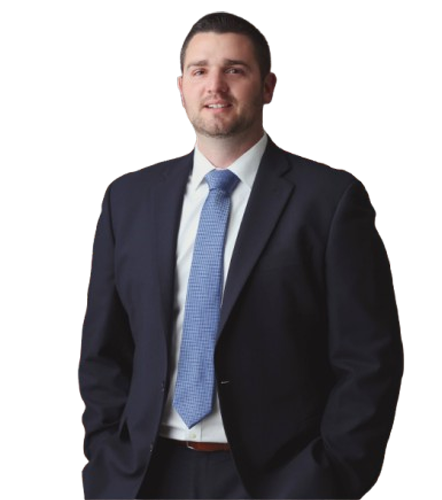
At Galbavy Law, they understand how quickly a rideshare accident can turn someone's life upside down. David Galbavy is a Board-Certified Specialist in Workers’ Compensation and a former insurance defense attorney. For years, he defended insurance companies, gaining insight into their tactics and how they minimize claims. Today, he utilizes that knowledge to advocate for individuals across Charlotte, Raleigh, Greensboro, Asheville, and every community in between.
Their firm has recovered over $25 million for injured North Carolinians, encompassing cases involving orthopedic injuries, multiple surgeries, and permanent impairments. These are the kinds of life-changing injuries that rideshare crashes often cause, and they deserve a law firm that knows how to handle them.
Accidents involving Uber or Lyft drivers differ from ordinary car accidents. Multiple insurance policies may be in play, corporate defendants fight aggressively, and North Carolina’s strict contributory negligence law makes recovery even more complicated. Under this rule, if you are found even one percent at fault, you may lose your right to compensation entirely. Insurance companies are aware of this and use it to their advantage against victims. That is why having an NC rideshare accident lawyer on your side can make all the difference.
To understand just how serious rideshare crashes can be, consider that the National Highway Traffic Safety Administration reports a steady increase in injury-causing collisions connected to distracted driving and commercial vehicle use. The reality is apparent: without legal help, victims are often left with only a fraction of what they deserve.
If you or someone you love has been hurt in a rideshare accident in North Carolina, you do not have to face this fight alone. Galbavy Law is here to protect your rights and pursue the recovery you need.
Being injured in a rideshare accident can leave you confused about who is responsible and what rights you have. Passengers, rideshare drivers, pedestrians, cyclists, and other motorists all face unique challenges when pursuing compensation. The first step is understanding what the law allows and how to protect yourself from insurance company tactics.
The state law gives you the right to pursue compensation for medical expenses, lost wages, property damage, and pain and suffering when another party’s negligence causes your injuries. However, the state’s contributory negligence rule makes the process far more difficult than in most states. If an insurance company convinces a jury that you were even slightly at fault, perhaps by alleging that you distracted the driver or failed to wear a seatbelt, you could lose your claim altogether. Because of this, it is essential to build a case that eliminates any suggestion of your own fault.
Your rights partly depend on the rideshare company’s insurance. When an Uber or Lyft driver is logged in but hasn't accepted a ride, only limited liability coverage applies. After a ride is accepted and passengers are aboard, coverage increases substantially, often up to $1 million. Despite these high limits, insurers often contest claims, arguing that the driver was not officially on duty or attempting to shift liability to another driver.
Riders and drivers alike also have rights under North Carolina’s traffic and insurance laws. These laws are complex, but they are designed to ensure that injured parties have a path to recovery when someone else’s negligence causes harm. For more details, you can review traffic laws published by the North Carolina Department of Motor Vehicles and passenger safety information from the National Highway Traffic Safety Administration. These government resources highlight how state and federal standards interact to protect motorists and passengers, including those using rideshare services.
Another unique issue in rideshare accidents is liability beyond the driver. A trucking company that fails to maintain safe roads, a municipality responsible for dangerous intersections in Greensboro, or even a manufacturer that produced a defective vehicle part may share responsibility. Your rights extend to holding every negligent party accountable, and identifying them is essential to ensuring you receive full compensation.
At Galbavy Law, we know how to protect these rights. From securing rideshare app data and driver logs to interviewing witnesses and working with accident reconstruction experts, we prepare cases with the thoroughness required to overcome North Carolina’s contributory negligence system. Our goal is simple: to ensure your rights are recognized and to secure the recovery you need to move forward after a devastating accident.
The aftermath of a rideshare accident can be overwhelming. Victims often face pain, hospital visits, and missed work while trying to navigate a confusing legal system. At Galbavy Law, we support clients throughout every step of the claims process, ensuring they understand what to expect and don’t miss any opportunities for recovery.
Prompt medical treatment is the first step after any accident. Even if injuries seem minor, see a doctor right away—orthopedic injuries, concussions, and internal conditions can worsen without timely care. Medical records also create the foundation of your claim by documenting symptoms, diagnoses, and causation. The Centers for Disease Control and Prevention emphasizes prompt evaluation after head and other traumatic injuries; early assessment helps prevent complications and guides a safe return to activity. For practical guidance on when to seek care and what to expect, see CDC: Traumatic Brain Injury (TBI) — Get the Facts.
Once medical needs are addressed, promptly report and document the crash. Contact law enforcement so an official police report is created; in North Carolina, these reports are critical evidence because they capture circumstances, involved parties, and initial observations. For crashes investigated by the State Highway Patrol, you can search and obtain copies through the NC DPS: Collision Information (State Highway Patrol Crash Reports) portal.
After documenting your case, insurance companies often contact you quickly. Adjusters from Uber, Lyft, or other involved drivers might request recorded statements or push for early settlements. However, these offers rarely cover long-term medical needs, future surgeries, or permanent impairments. Accepting a settlement too early can mean losing your rights. At Galbavy Law, we advise clients against signing anything before consulting with us.
The next stage is investigation. Our office gathers and preserves evidence that extends beyond what is documented in a police report. This might include rideshare app data showing whether the driver was logged in, black box vehicle data, dashcam footage, and witness statements. On busy highways like I-40 or I-85, we may also collaborate with accident reconstruction experts to precisely reconstruct the sequence of events that led to the crash.
After collecting evidence, we determine damages. This involves more than just adding up current medical bills. We work with doctors, economists, and vocational specialists to assess the costs of future medical treatment, lost earning capacity, and the emotional impact of long-term impairments. Orthopedic injuries requiring surgery or causing permanent disability deserve compensation that accounts for their effect on a client’s entire life, not just their initial recovery period.
Finally, the firm negotiates with insurers. With a background as a former insurance defense attorney, the team can anticipate the strategies companies use to deny or minimize claims. If a fair offer is not made, they are prepared to litigate in court. Throughout this process, clients remain informed and involved, with clear communication at every step.
The claims process is not about rushing to accept the first offer but about building a strong, documented case that can withstand challenges. At Galbavy Law, we take the burden off our clients, allowing them to focus on recovery while we focus on achieving results.
Navigating the aftermath of a rideshare accident is never straightforward. Victims often find themselves in pain, dealing with medical treatment, and unsure of how to handle the sudden costs that come with hospital visits and time away from work. At Galbavy Law, we make the process clearer by guiding clients through each step, allowing them to focus on healing while we handle the legal details.
The first stage is seeking medical attention. Even when symptoms appear minor, underlying orthopedic injuries or concussions can become worse if left untreated. Medical documentation also provides the foundation for any future claim. Once your health is stabilized, it becomes essential to report the accident. In North Carolina, a police accident report is one of the most critical pieces of evidence. Victims can request these records through the North Carolina Department of Public Safety, and they often play a key role in proving liability.
From there, insurance companies frequently step in quickly. Adjusters may try to take recorded statements or encourage victims to accept fast settlements that cover only part of the damages. Without legal guidance, it is easy to sign away rights before knowing the full cost of recovery. Our role is to handle communications, preserve critical evidence such as rideshare app data, and build a case that includes both immediate and future losses.
By relying on medical experts, accident reconstruction specialists, and years of experience, we ensure that our clients’ claims reflect the true extent of their damages. If negotiations do not result in a fair outcome, we are prepared to take the case to trial before a jury.

Understanding how rideshare accidents occur is a crucial aspect of establishing fault. These cases are often more complex than standard car crashes because multiple parties may be involved, including the driver, the rideshare company, and other motorists.
One of the leading causes is distracted driving. Rideshare drivers rely heavily on their phones for navigation and accepting rides, which increases the risk of taking their eyes off the road for even a moment. On congested highways like I-40 or I-85, even a moment of distraction can result in a multi-vehicle collision.
Fatigue is another frequent factor. Many rideshare drivers work long hours or drive late at night to increase earnings. Fatigue slows reaction time and impairs judgment, creating dangerous conditions for passengers and others on the road.
Speeding and reckless maneuvers are also common contributors. In busy city centers like Charlotte, Raleigh, and Greensboro, sudden lane changes, abrupt stops, or aggressive driving often cause accidents.
Poor vehicle maintenance adds another layer of risk. Unlike commercial trucking companies, rideshare drivers are responsible for their own cars. If brakes, tires, or other systems are not adequately maintained, catastrophic accidents can follow. The National Highway Traffic Safety Administration offers resources on vehicle safety standards that emphasize the crucial importance of proper maintenance in ensuring road safety.
Weather and road conditions also play a role, particularly in Asheville and the surrounding mountain areas, where fog, ice, or winding roads increase the risks.
At Galbavy Law, we thoroughly investigate all potential causes when evaluating a claim. Determining what went wrong and who is responsible is crucial to securing compensation for victims.
One of the most essential parts of any rideshare accident case is understanding the full scope of compensation available under North Carolina law. Victims often underestimate the value of their claims because insurance adjusters focus narrowly on immediate medical bills. At Galbavy Law, we ensure that every category of loss is considered, so our clients receive the resources they need not just to recover today, but to rebuild their futures.
The first category of damages is medical expenses. After a rideshare accident, emergency transportation, hospital stays, and surgeries are often unavoidable. Orthopedic injuries such as broken bones, torn ligaments, or spinal trauma require months of follow-up care. Many of our clients need physical therapy or additional surgeries years after the crash. Compensation should reflect not just the treatment already received but the long-term care that doctors anticipate. For clients who suffer permanent impairments, we rely on expert medical opinions to demonstrate the ongoing need for treatment and support.
Lost income is another major area of recovery. Injuries frequently keep victims out of work for weeks or months. In serious cases, orthopedic damage or neurological trauma can permanently limit a person’s ability to return to their previous career. We fight to ensure claims include not only lost wages but also loss of future earning capacity. This may involve working with vocational experts who can show how a permanent impairment impacts a client’s career path and earning potential.
Property damage also plays a role. While medical costs usually make up the largest share of compensation, riders and drivers alike are entitled to recover the costs of repairing or replacing their vehicles, as well as personal belongings such as phones or laptops that were damaged in the crash.
Non-economic damages are equally important. These are often the hardest for insurance companies to quantify, which is why they tend to minimize them. Pain and suffering includes the physical agony of recovery, the limitations caused by surgeries, and the frustration of living with permanent pain. Emotional distress encompasses anxiety, depression, and post-traumatic stress that often follow traumatic crashes. Loss of enjoyment of life is another recognized category, reflecting the inability to participate in hobbies, sports, or family activities the way a person once did.
Permanent disability and impairment ratings hold particular significance in rideshare accidents due to the high risk of orthopedic and neurological injuries. A physician assigns an impairment rating that indicates the extent to which a person’s physical abilities have been permanently reduced. As a Board-Certified Specialist in Workers’ Compensation, our firm understands how to effectively use these ratings to enhance the value of personal injury claims.
In cases involving extreme negligence, punitive damages may also be available. If a rideshare driver was intoxicated, racing, or intentionally disregarding safety, North Carolina law allows victims to pursue damages designed to punish the wrongdoer and deter similar behavior in the future.
Another critical factor is identifying every available source of insurance coverage. Rideshare companies such as Uber and Lyft carry significant liability coverage for accidents that occur while a passenger is being transported, but the coverage levels vary depending on whether the driver was logged into the app, waiting for a ride, or actively carrying a passenger. Navigating these rules is challenging without legal guidance. Victims are often unaware of the various policy tiers, and insurance companies rarely provide clear explanations of these tiers. At Galbavy Law, we carefully examine every layer of potential coverage, including uninsured and underinsured motorist protection that may apply.
The process of securing compensation also involves careful documentation. Medical records, employment history, photographs of injuries, and expert testimony are all necessary to present a claim that cannot be dismissed as exaggerated or speculative. The Centers for Medicare and Medicaid Services also provides guidelines for medical billing and cost projections that we often reference to strengthen the documentation of long-term medical needs.
Ultimately, compensation is about more than financial recovery. It is about restoring dignity, providing security for families, and ensuring that victims are not left to shoulder the costs of someone else’s negligence. At Galbavy Law, we prepare every claim with the expectation that it may go to trial, ensuring that no category of damages is overlooked. This thorough approach has enabled us to recover more than $ 20 million for injured clients across Charlotte, Raleigh, Greensboro, Asheville, and communities throughout North Carolina.
For anyone involved in a rideshare accident, understanding compensation is the foundation of building a strong case. Without experienced representation, victims risk accepting settlements that cover only a fraction of what they are entitled to. With Galbavy Law, every aspect of your recovery is pursued, from medical care and lost income to the lasting human costs of the crash.
After a rideshare accident, many people wonder if they need a lawyer. It’s important to understand that insurance companies often make quick settlement offers that can lead to giving up your right to full compensation.
In North Carolina, even being just 1% at fault can bar you from receiving any money for your injuries. This makes it risky to handle your claim independently. A rideshare lawyer is crucial because the claims process is complicated, often involving multiple parties and legal teams trying to limit their liability. Without a lawyer, you may struggle with unpaid medical bills and inadequate support.
At Galbavy Law, the team leverages its background as former insurance defense lawyers to anticipate insurer tactics and build robust cases. Rideshare crashes often result in serious injuries, such as fractures or spinal damage, which may require surgeries and rehabilitation. Drivers can experience permanent impairments that affect their ability to work, and insurers frequently downplay medical needs without strong legal advocacy. The firm collaborates with medical and vocational experts to ensure the full long-term impact of injuries is recognized.
Local experience also makes a difference. A rideshare accident on I-40 near Raleigh presents different challenges than a collision on I-85 outside Charlotte or in the busy streets of downtown Greensboro. Each location involves different courts, juries, and accident patterns. Having a lawyer who is familiar with North Carolina’s roads and communities provides an advantage that out-of-state or high-volume firms cannot match.
Bias can also come into play. Rideshare companies often try to shift blame onto drivers or argue that passengers exaggerated their injuries. In the state, even the slightest suggestion of fault on your part can derail your entire claim. An experienced rideshare injury lawyer knows how to counter these arguments with clear evidence, detailed investigation, and persuasive presentation.
Finally, hiring a lawyer provides peace of mind. The aftermath of a serious accident is overwhelming. Victims are juggling medical care, missed work, and the emotional weight of the crash. Trying to negotiate with insurers, track deadlines, and gather evidence on top of that is unrealistic. At Galbavy Law, we take those burdens off your shoulders while keeping you informed every step of the way. Our clients know they can call us with questions, receive updates promptly, and trust that their case is being handled with care and attention to detail.
In a state with one of the strictest negligence laws in the country and powerful corporations on the other side, hiring an experienced North Carolina rideshare accident lawyer is not only helpful but essential. With Galbavy Law, you gain a partner who understands the medical, legal, and practical challenges of these cases and who is committed to fighting for the recovery you deserve.
When people search for an Uber accident lawyer or a Lyft accident attorney that NC residents can trust, they are often met with large firms that advertise heavily but treat clients like numbers. At Galbavy Law, we take a different approach. Our firm is built on the belief that every case deserves personal attention, thorough preparation, and relentless advocacy.
David Galbavy stands out in his practice due to a unique combination of experience and credentials that benefit each case he handles. He is a Board-Certified Specialist in Workers’ Compensation, a distinction achieved by fewer than three percent of attorneys in North Carolina. This certification showcases advanced knowledge of injury law and a proven track record of success in managing complex cases. In rideshare crashes, where injuries often involve orthopedic trauma, surgeries, and permanent impairments, this level of specialization makes a critical difference.
Before establishing his own practice, Galbavy worked as an insurance defense attorney. This experience provided him with invaluable insights into how insurers handle claims, including how they evaluate cases, the weaknesses they target, and the tactics they employ to minimize payouts. Today, our firm leverages that knowledge to advocate for clients who have suffered injuries. By anticipating the defense's strategies, the firm builds cases that are designed not only to withstand such arguments but also to counter them effectively.
Our results reflect this approach. Galbavy Law has recovered over $25 million for clients across Charlotte, Hickory, Greensboro, Raleigh, and the surrounding communities along Interstate 77 and Interstate 85. Many of these cases involved complex injuries and situations where insurers initially denied responsibility. By preparing thoroughly, working closely with experts, and refusing to settle for less than what clients deserve, we have consistently delivered meaningful recoveries.
Another hallmark of our firm is our focus on orthopedic injuries. Rideshare accidents often leave victims with broken bones, joint damage, spinal injuries, and other conditions that require extensive medical care. These are not simple claims. They require an attorney who understands how impairment ratings affect compensation, how to present medical evidence effectively, and how to fight for damages that reflect both current and future needs. At Galbavy Law, we have built a reputation for handling these complex injury cases with the depth and care they require.
We are also committed to personal service. At larger firms, clients may never have the opportunity to speak directly with their attorney. Their calls are routed through layers of staff, and updates are infrequent. At Galbavy Law, communication is a priority. Clients work directly with me and a dedicated team that responds quickly to questions and keeps them informed at every stage of the process. Many of our clients say this personal connection is just as valuable as the financial results we achieve.
Finally, we are deeply connected to the communities we serve. Whether a rideshare accident happens in the busy streets of Charlotte, during rush hour in Hickory, on I-85 near Greensboro, or in the mountain roads around Asheville, we understand the local conditions, the courts, and the challenges unique to each setting. This local knowledge, combined with statewide reach, ensures that clients receive representation tailored to their specific situation.
The Galbavy Law difference is about more than numbers and credentials. It is about a commitment to doing right by the people who trust us with their cases. When you choose our firm, you are not just hiring a lawyer. You are gaining an advocate who will stand by your side, fight tirelessly on your behalf, and treat your case with the seriousness it deserves.
Being injured in an Uber or Lyft accident can leave you overwhelmed with medical bills, lost income, and uncertainty about the future. These cases are complex, involving multiple insurance policies, strict deadlines, and the added challenge of the state’s contributory negligence law. Trying to handle this process alone can put your recovery at risk.
At Galbavy Law, the firm boasts experience and dedication to stand by its clients' sides. David Galbavy, a Board-Certified Specialist in Workers’ Compensation and a former insurance defense attorney, leads the team. Together, they have recovered $25 million for injured North Carolinians, many of whom have faced orthopedic injuries, surgeries, and permanent impairments after rideshare accidents.
What sets us apart is our commitment to thorough preparation and personal attention. We know how insurers think, and we know how to build cases that protect your rights. From Charlotte to Raleigh, Greensboro to Asheville, we are here to help you move forward with confidence.
Your recovery begins with one conversation. Contact Galbavy Law by completing our contact form today to schedule a complimentary consultation. You pay nothing unless we win your case, and we are ready to fight for the justice you deserve.

1 Prior results do not guarantee similar outcomes in future cases because each case is unique and must be evaluated separately. The only way we can assist you is for you to call us about your case.
Protected by reCAPTCHA. Google Privacy Policy and Terms of Service apply.